custom healthcare application developments

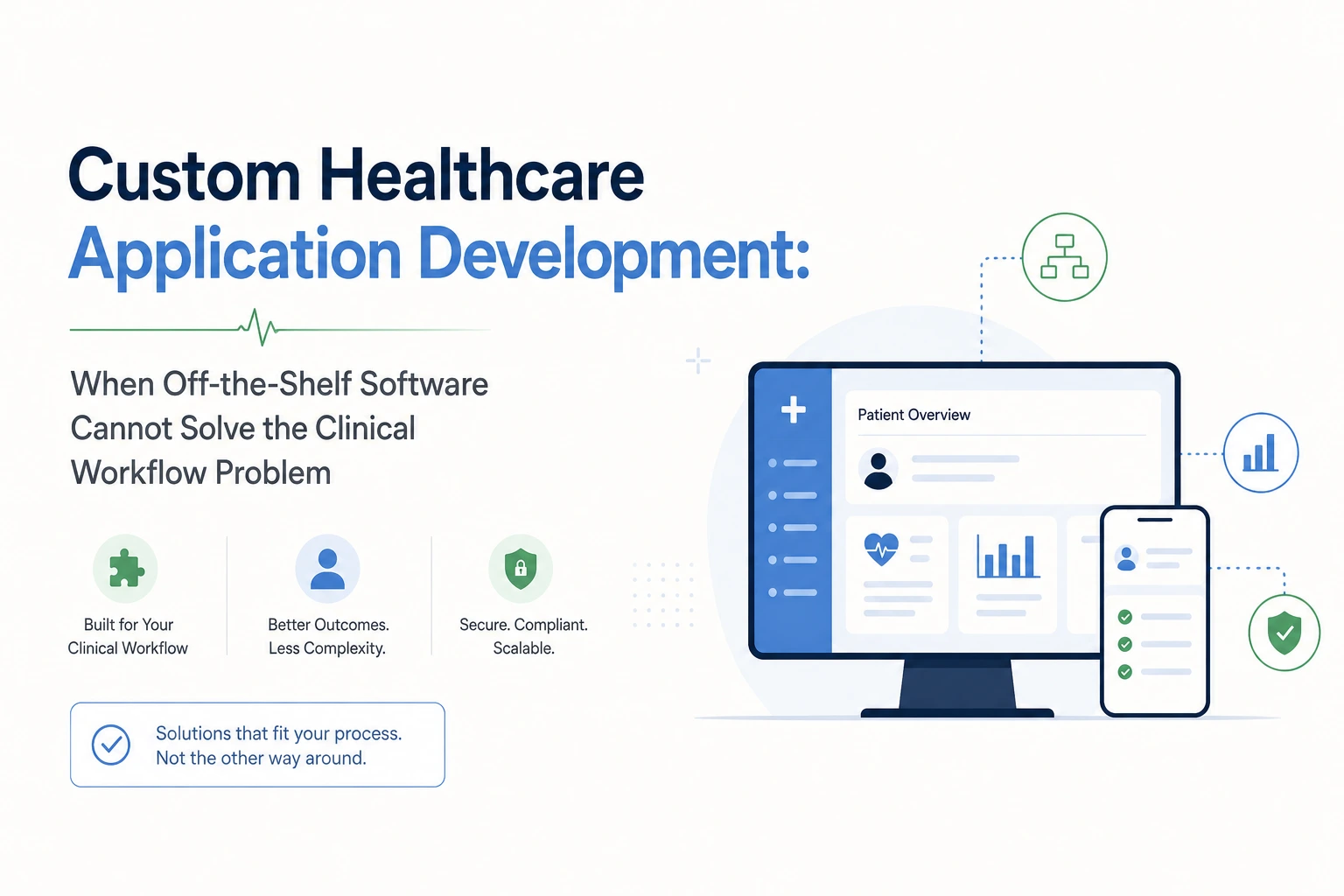
Custom Healthcare Application Development: When Off-the-Shelf Software Cannot Solve the Clinical Workflow Problem

Custom healthcare application developments is the right answer when off-the-shelf software forces clinical workflows to adapt to the software rather than the other way around. The wrong answer is building custom when a configurable vendor solution would deliver 90 percent of the value at 30 percent of the cost and risk. Knowing which situation you are…
healthcare IT talent services

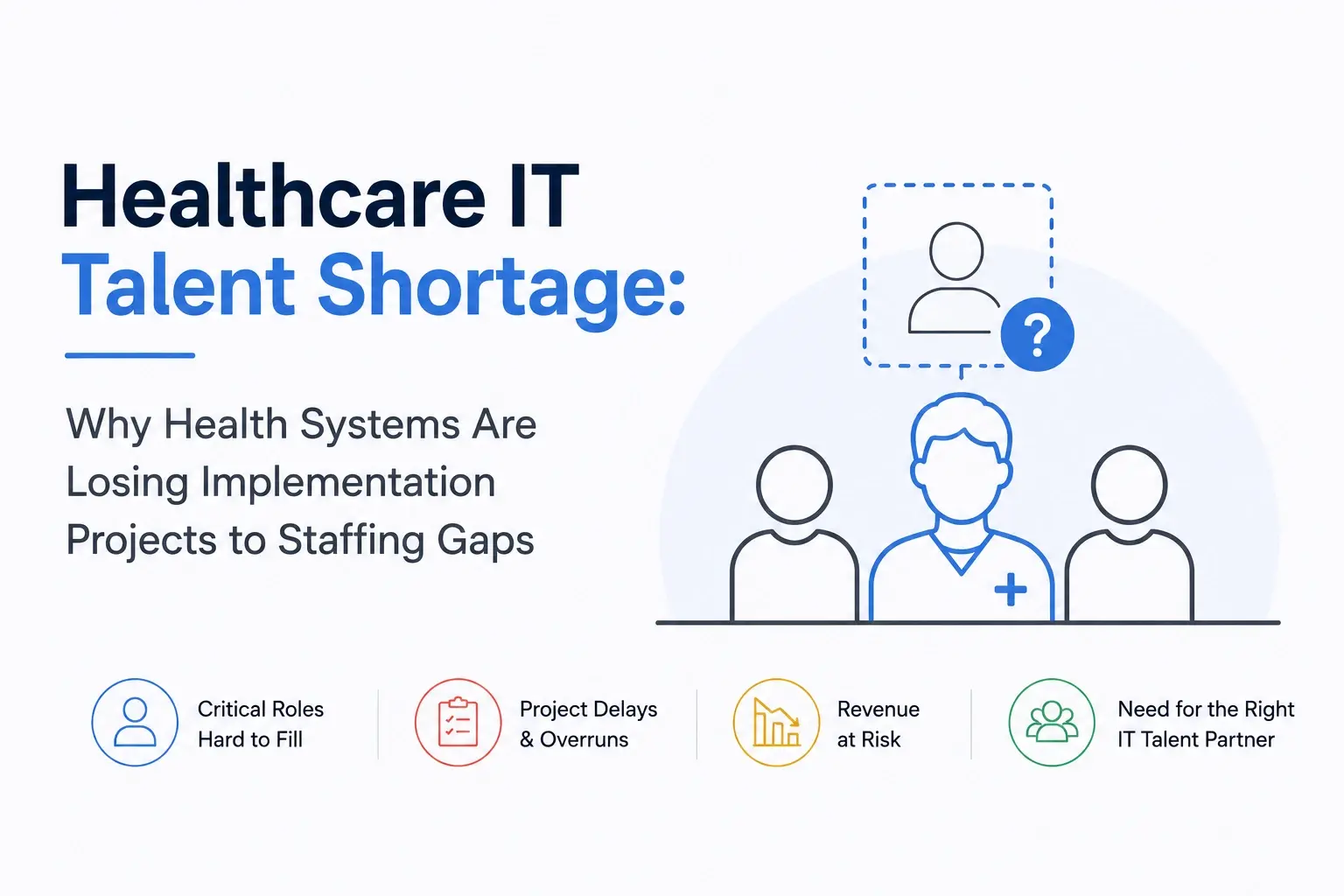
Healthcare IT Talent Shortage: Why Health Systems Are Losing Implementation Projects to Staffing Gaps

Healthcare IT talent shortages are delaying EHR implementations, stalling go-lives, and forcing health systems to extend contracts with implementation partners long past their original scope. The shortage is structural, not cyclical — the demand for Oracle Health, Epic, and clinical informatics specialists consistently outpaces the supply of credentialed professionals. Here is how health systems are…
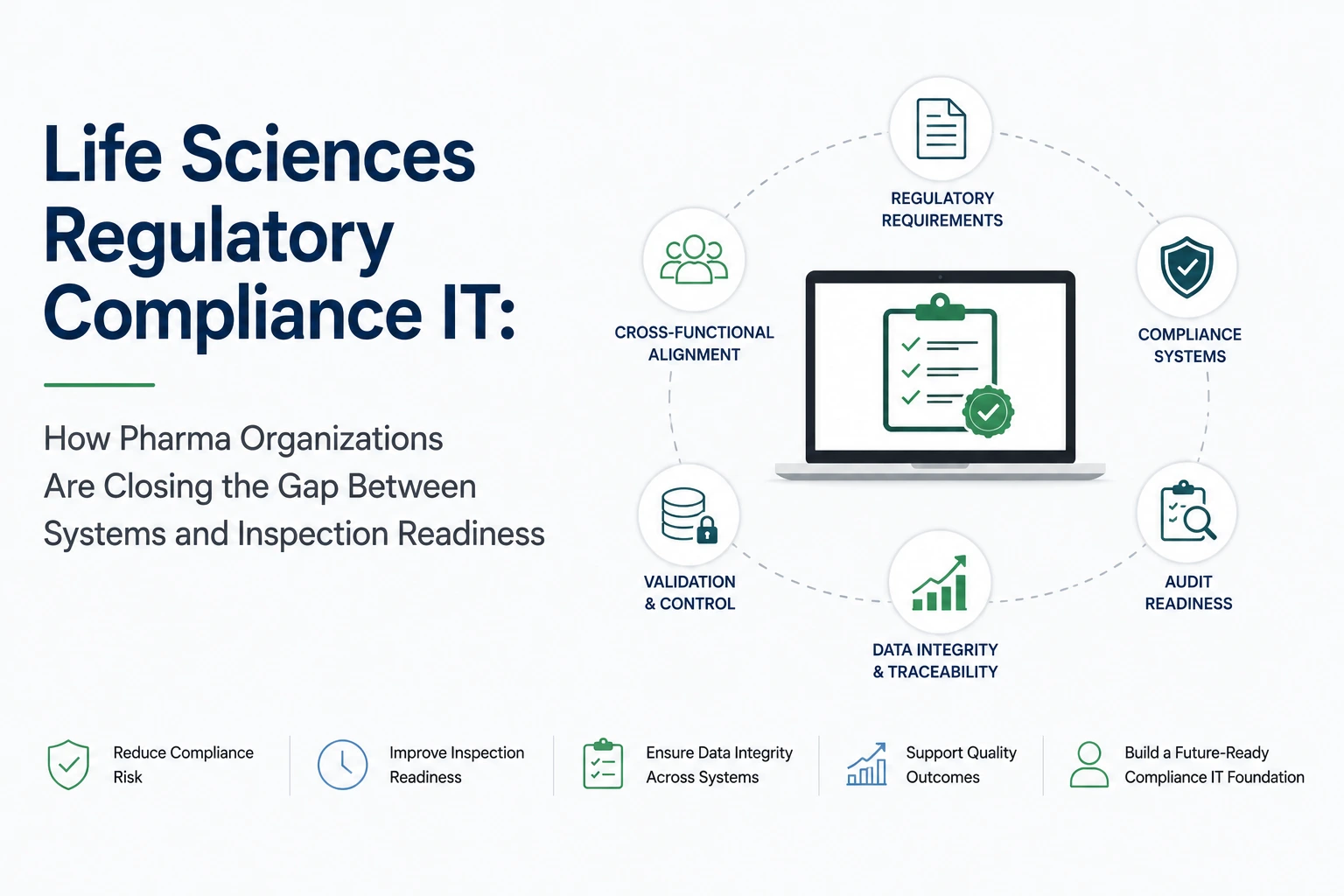
Life Sciences Regulatory Compliance IT: How Pharma Organizations Are Closing the Gap Between Systems and Inspection Readiness

Life Sciences Regulatory Compliance IT: How Pharma Organizations Are Closing the Gap Between Systems and Inspection Readiness

Life sciences regulatory compliance IT failures are not discovered in normal operations. They are discovered during FDA inspections, when an investigator requests audit trail evidence for a document approval or system change and the IT team realizes the evidence does not exist, cannot be retrieved, or does not match what the quality process required. Closing…
healthcare data analytics implementation

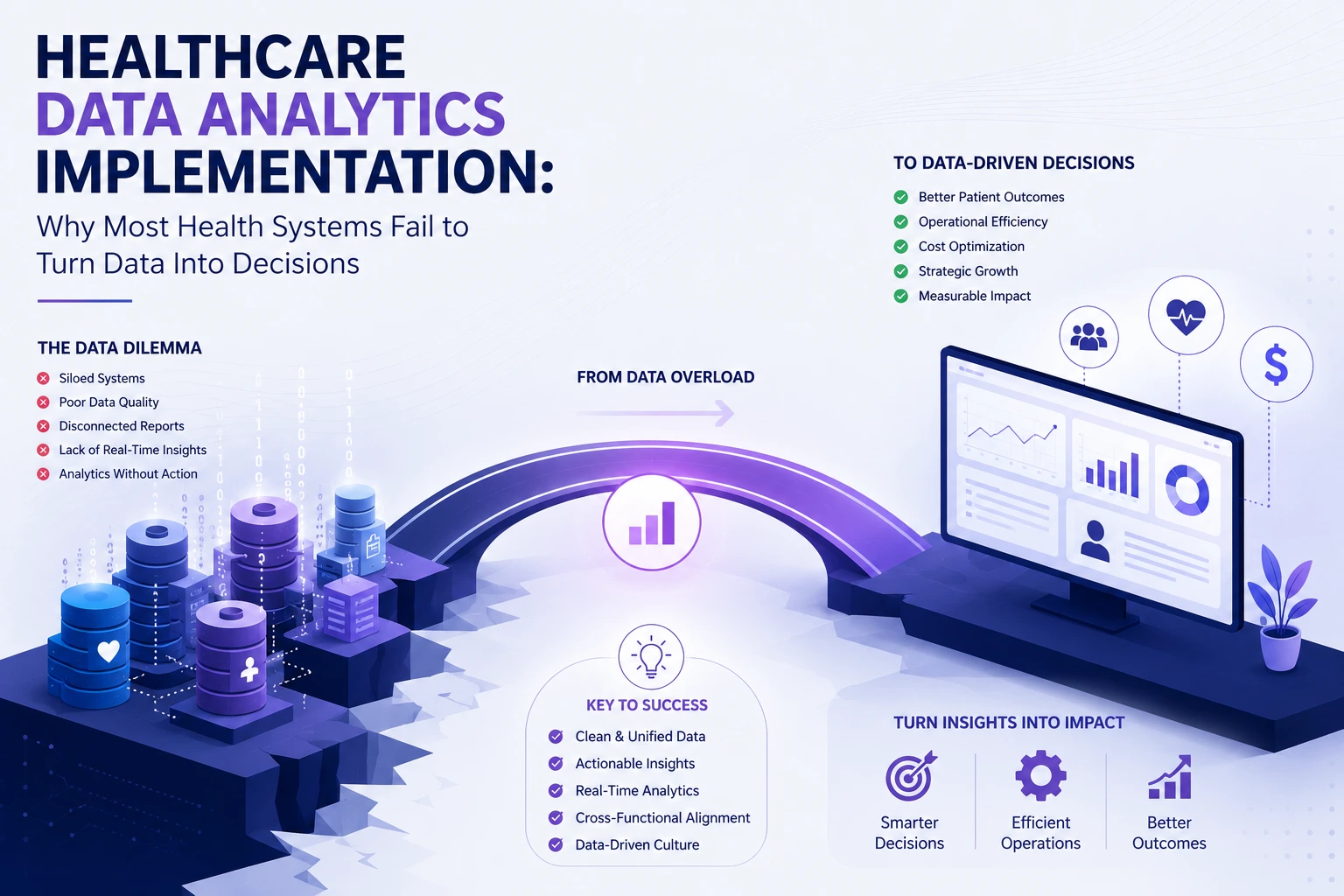
Healthcare Data Analytics Implementation: Why Most Health Systems Fail to Turn Data Into Decisions

Healthcare data analytics implementation fails most often because the data infrastructure problem and the use case problem are treated as the same project. They are not. Most health systems have more data than they can analyze and fewer defined use cases than they realize. Separating these two workstreams is the first step toward analytics that…
Veeva Vault implementation

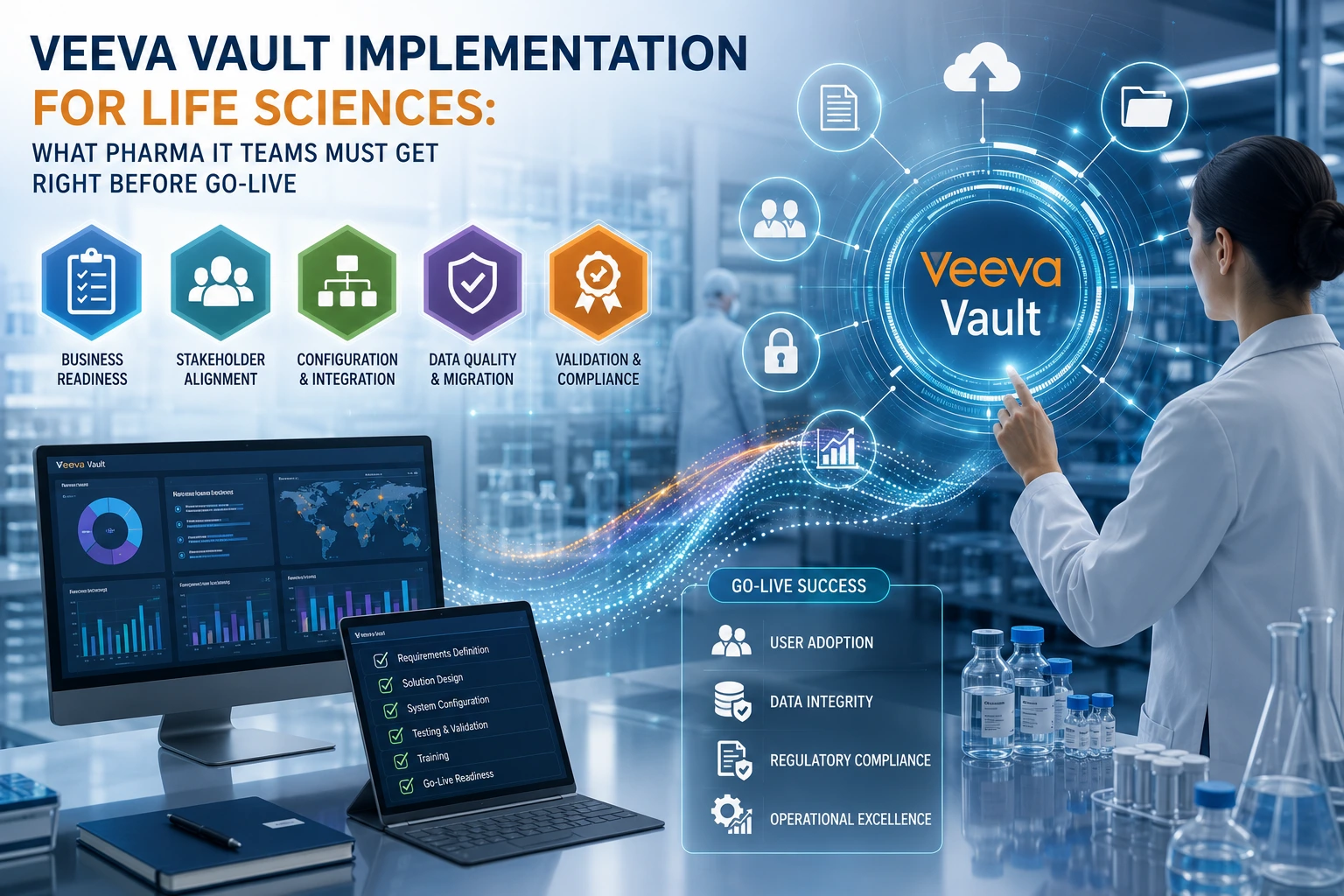
Veeva Vault Implementation for Life Sciences: What Pharma IT Teams Must Get Right Before Go-Live

Veeva Vault implementation fails most often at three points: content migration without a metadata governance framework, 21 CFR Part 11 gaps in electronic signature configuration, and SAP integration scoped too late. All three are preventable when treated as first-phase design decisions rather than late-project activities. Why Life Sciences Organizations Are Standardizing on Veeva Vault The…
Oracle Health CRM

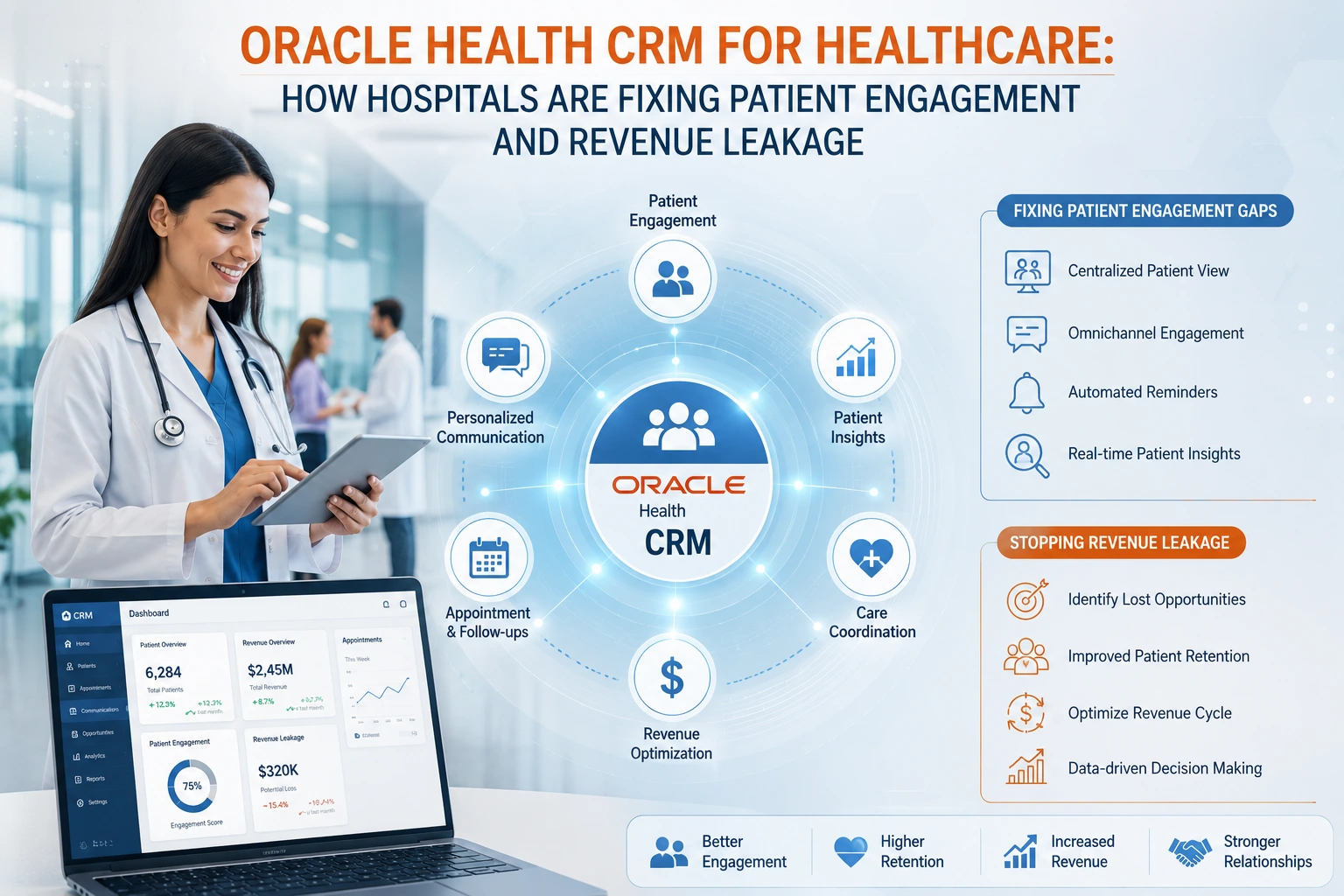
Oracle Health CRM for Healthcare: How Hospitals Are Fixing Patient Engagement and Revenue Leakage

Oracle Health CRM reduces patient leakage and improves outreach ROI when configured correctly for health system workflows. Most hospitals implementing a healthcare CRM for the first time underestimate the data integration requirements. This guide covers what Oracle Health CRM actually delivers and what implementation gets wrong. Why Are Health Systems Investing in CRM Now? Patient…

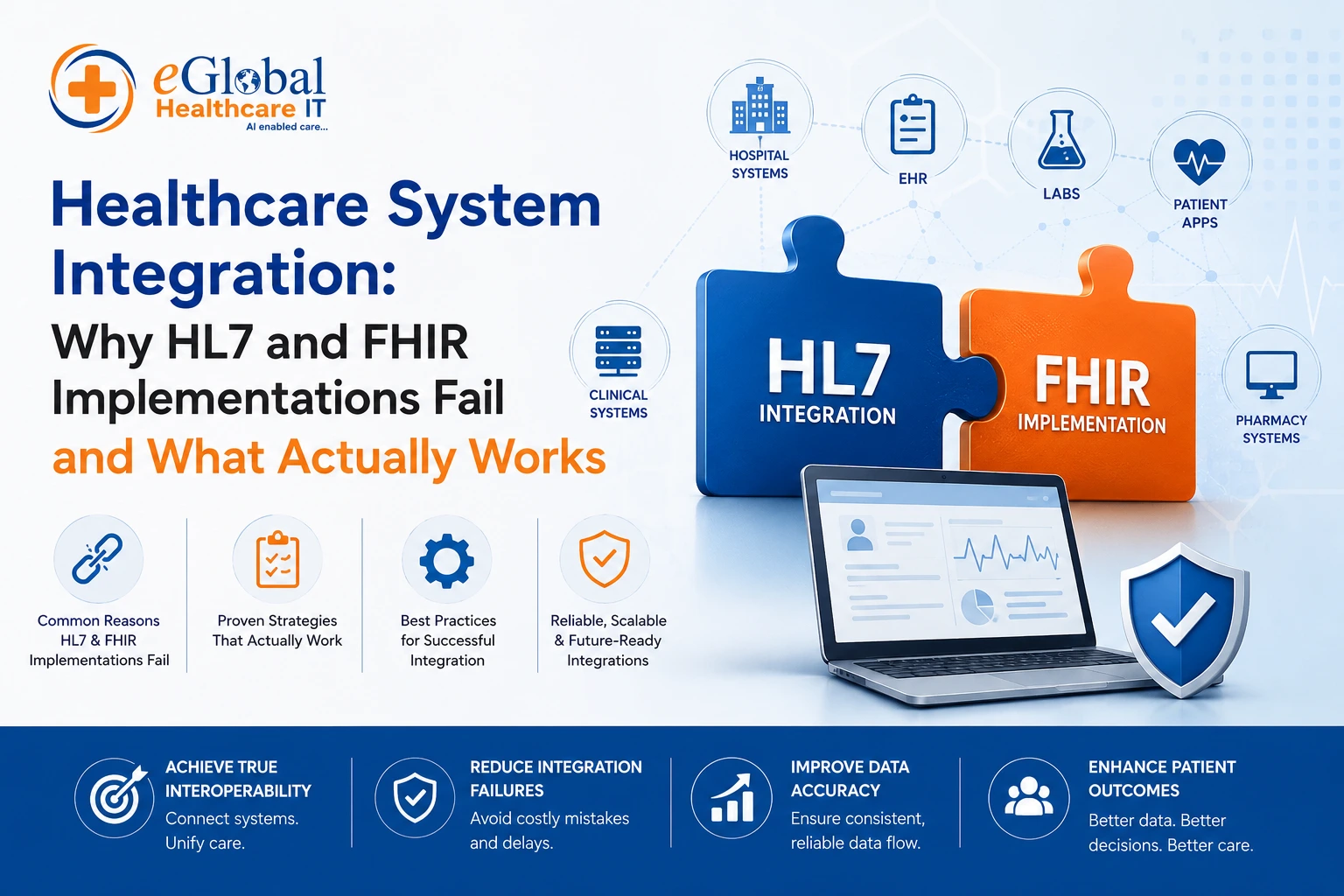
Healthcare System Integration: Why HL7 and FHIR Implementations Fail and What Actually Works

Frame the problem: the average health system runs 60–100+ clinical and administrative applications. Most are partially integrated at best. Data moves between them through a mix of certified interfaces, legacy HL7 pipes built years ago, manual exports, and workarounds nobody documented. When those break, patient care is affected. Position eGlobal as an integration specialist. What…

Soarian Financials migration Oracle Health: Complete Guide

Establish the context: Oracle Health (formerly Cerner) has been sunsetting Soarian Financials as a supported product line, directing customers toward the Oracle Health revenue cycle platform. For healthcare organizations still running Soarian Financials, the migration decision is no longer optional in the long run — the question is how and when to execute it without…